How to Choose the Perfect Trimmer Line Size and Shape for Your Lawn in 2026Selecting the right trimmer line size and shape can dramatically impact your lawn care efficiency in 2026. With a variety of options available, understanding what works best for your yard is essential for a perfect cut.
Trimmer lines come in various sizes and shapes, each designed to cater to different mowing needs and types of grass or weeds. In 2026, the popularity of customized lawn care and advancements in materials have expanded these options, making it more important than ever to choose the right fit for your yard.
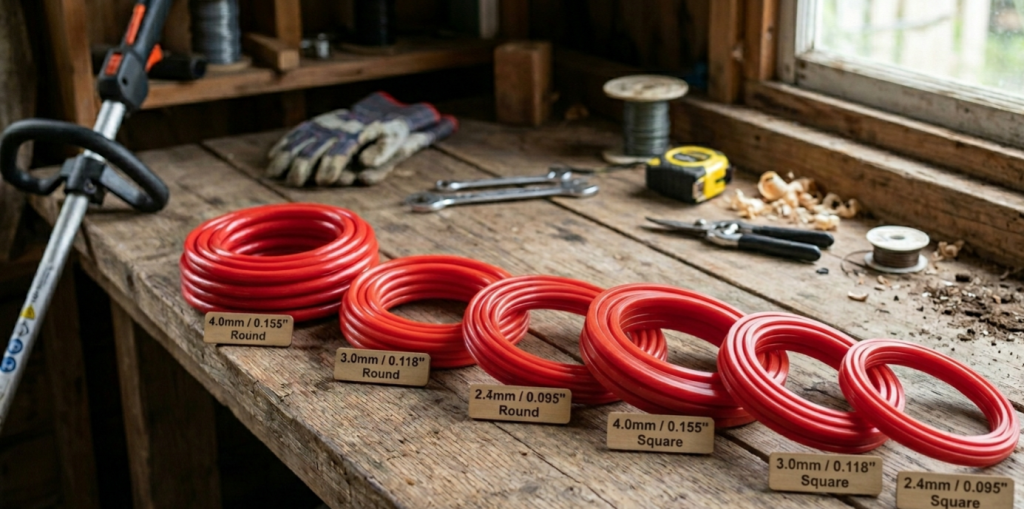
Common sizes range from 0.065 inches to 0.095 inches in diameter, with larger diameters generally offering more cutting power but requiring more motor strength. Shape-wise, the most prevalent forms include round, square, octagonal, and star-shaped lines, each providing unique advantages in terms of durability, cutting efficiency, and noise levels.
Factors to Consider When Choosing Trimmer Line Size
1. Power of Your Trimmer
The strength and motor capacity of your trimmer are critical factors. For example, lightweight trimmers (up to 20V) work best with thinner, 0.065-inch lines, while heavy-duty professional models (40V or more) can handle thicker, 0.095-inch lines.
2. Type of Vegetation
For soft grass and light trimming, a thinner 0.065-inch line suffices. For dense weeds, shrubs, or overgrown areas, a thicker line (0.085 or 0.095 inches) offers better durability and cutting ability.
3. Cut Frequency and Lawn Size
If you maintain a small lawn, frequently trimming, or only need occasional grass tidy-up, a smaller line enhances precision and reduces wear. For large properties requiring regular aggressive trimming, thicker lines reduce the need for frequent replacements.
4. Compatibility and Safety
Always ensure that the line size matches your trimmer’s specifications. Using a line that’s too thick can strain the motor and pose safety hazards, while too thin might break easily.
Popular Trimmer Line Shapes and Their Benefits
1. Round Line
The most traditional shape, round lines are known for their durability and ease of use. They tend to produce less noise and are effective for general trimming tasks. In 2026, round lines are favored for their reliability across a wide range of yard sizes.
2. Square Line
Square-shaped lines have four edges that cut more aggressively than round lines, especially on tough weeds and grass. They tend to wear faster but offer superior cutting efficiency in dense vegetation, making them popular among homeowners with large or overgrown lawns.
3. Octagonal and Star-Shaped Lines
These shapes combine the benefits of durability and more aggressive cutting: the multiple edges allow for cleaner cuts and longer lifespan compared to square lines. They’re ideal for homeowners looking for a high-performance option for tougher conditions.
4. Specialty Shapes
In 2026, innovative shapes like serrated or segmented lines continue to emerge, offering tailored solutions for specific tasks such as edging or trimming around delicate plants. These specialized designs maximize efficiency and reduce operational noise.
How to Match Trimmer Line Size and Shape to Your Lawn Needs
- Assess Your Trimmer’s Power: Consult your trimmer’s manual or manufacturer guidelines to determine the maximum line thickness compatible with your device.
- Evaluate Your Lawn Conditions: For overgrown, dense grass or weeds, opt for thicker, more aggressive shapes like octagonal or star-shaped lines. For manicured lawns with soft grass, a thinner, round line is sufficient.
- Consider Your Frequency and Maintenance: If you trim frequently, a lighter, round line may be easier to handle and replace. For occasional heavy-duty trimming, invest in thicker, more durable shapes.
- Balance Performance and Safety: Ensure the chosen size and shape do not strain your trimmer’s motor or compromise safety. When in doubt, consult with local garden centers or online forums dedicated to lawn care in 2026.
Tips for Maintaining and Replacing Your Trimmer Line
- Regular Inspection: Check your trimmer line for signs of wear, cracking, or flattening. Replace before it breaks to maintain effective trimming.
- Use the Correct Line Size: Always replace with the recommended size and shape specified in your trimmer’s manual.
- Proper Spooling: Follow your trimmer’s instructions to spool the new line evenly, avoiding tangles or uneven cuts.
- Keep Line Length Optimal: Typically, leave about 4-6 inches of line exposed during use. Too much can cause excessive wear; too little reduces cutting efficiency.
- Store Properly: Keep spare lines in a cool, dry place, and consider storing different shapes and sizes for various yard tasks.
Conclusion
Choosing the right trimmer line size and shape in 2026 is essential for maintaining a healthy, beautiful lawn. By understanding your trimmer’s capabilities and assessing your yard’s specific needs, you can select the most effective line for efficient, safe, and professional-looking results. With ongoing innovations in trimmer line technology, your lawn care routines in 2026 can be more effective than ever before.
Remember, the best results often come from a combination of proper size, shape, and regular maintenance, ensuring your lawn remains pristine throughout the year.
Happy trimming!