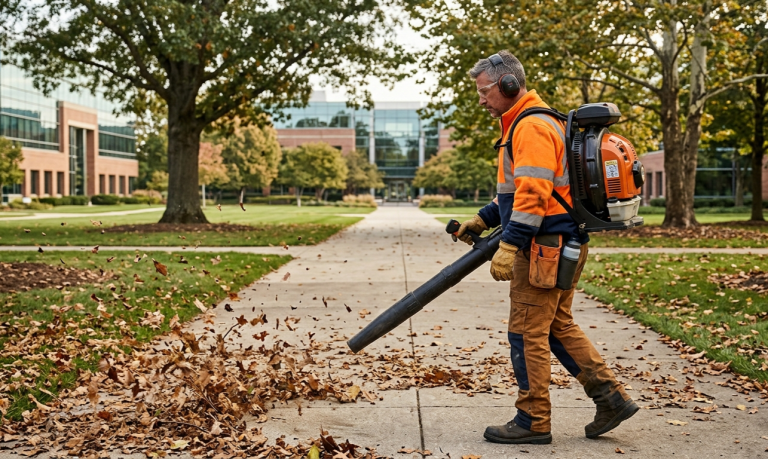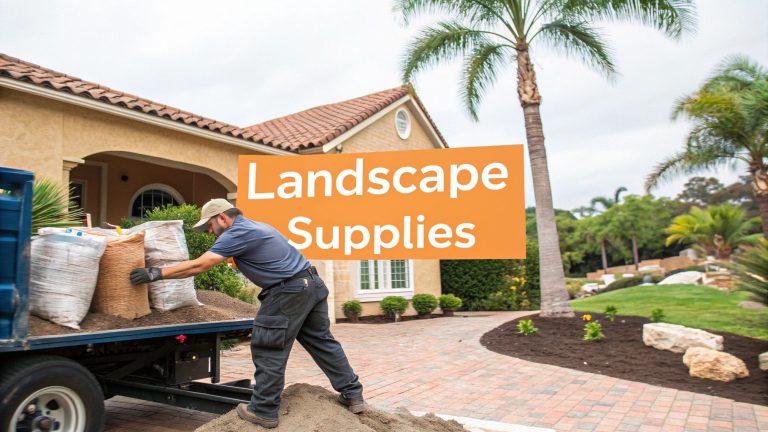
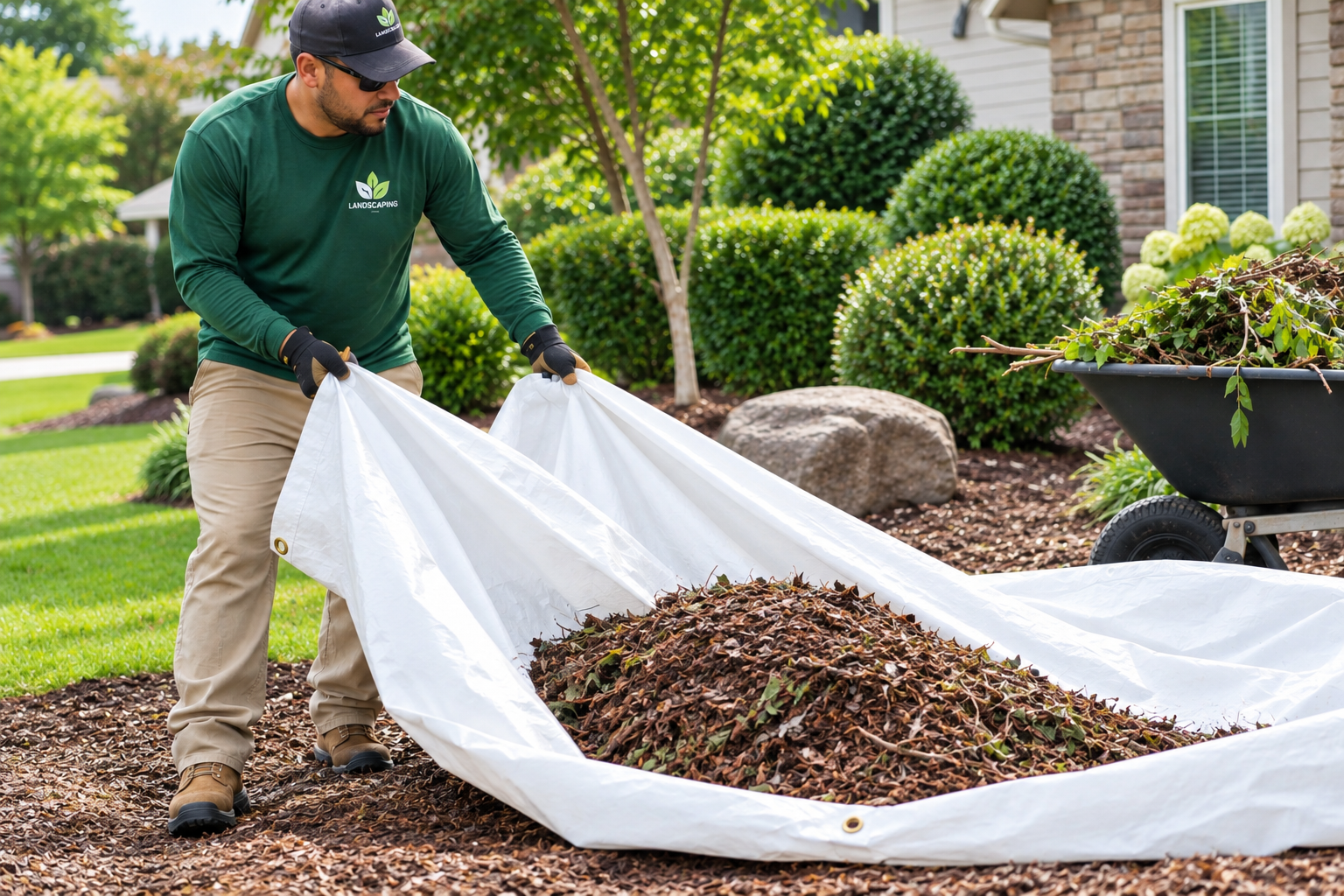
Commercial landscapers handle a wide variety of jobs, from moving soil and mulch to protecting plants and transporting landscaping materials. Having the right tarp for each task can help crews work more efficiently, keep job sites organized, and protect materials during daily operations.
Two common options are poly tarps and burlap tarps. Although both are useful in landscaping, they have different materials, strengths, and applications. Understanding these differences can help landscaping professionals choose the right tarp for the job.
What Is a Poly Tarp?
Poly tarps, short for polyethylene tarps, are typically made from woven polyethylene fabric with a protective coating. They are commonly used in landscaping because they are lightweight, versatile, and resistant to moisture.
Benefits of Poly Tarps
- Water resistance: Helps protect soil, mulch, tools, and other materials from rain and moisture.
- Easy cleanup: Smooth surfaces make it easier to remove dirt, mud, and debris.
- Versatility: Useful for covering materials, collecting yard waste, and protecting equipment.
- Lightweight design: Makes handling, folding, and transporting easier for landscaping crews.
- Multiple sizes: Available in different dimensions to accommodate small jobs and large commercial projects.
Common Uses for Poly Tarps in Landscaping
Commercial landscaping crews can use poly tarps for:
- Covering mulch, soil, gravel, and other landscaping materials.
- Collecting leaves, branches, and yard debris during cleanup.
- Protecting equipment and supplies from rain and dirt.
- Covering materials during transportation.
- Protecting selected work areas during landscaping projects.
Poly tarps are especially useful when moisture protection and easy cleanup are priorities. However, they can become slippery when wet, and their durability depends on the tarp’s thickness, construction, and quality.
What Is a Burlap Tarp?
Burlap tarps are traditionally made from woven jute fibers, although some products use synthetic materials designed to resemble burlap. Natural burlap is breathable and has a coarse, flexible texture that makes it useful for certain landscaping and horticultural applications.
Unlike poly tarps, natural burlap allows more air and moisture to pass through the material.
Benefits of Burlap Tarps
- Breathability: Allows air to circulate around covered materials.
- Flexible material: Conforms more easily around irregular shapes and plant root balls.
- Plant-related applications: Can be useful for wrapping root balls and protecting certain plants during handling or transport.
- Natural appearance: Blends well with garden and landscape environments.
- Biodegradability: Natural jute burlap can biodegrade under suitable environmental conditions, unlike conventional polyethylene.
Common Uses for Burlap in Landscaping
Commercial landscapers may use burlap for:
- Wrapping root balls when moving trees and shrubs, when appropriate for the plant and installation method.
- Protecting selected plants during handling and transport.
- Covering soil or seed in applications where airflow is desirable.
- Temporary plant protection from wind and sun, depending on the product and conditions.
Burlap is not usually the best choice when a fully water-resistant cover is required. Natural burlap can absorb moisture, become heavy when wet, and deteriorate with prolonged exposure to weather.
Poly Tarps vs. Burlap Tarps: Key Differences
| Feature | Poly Tarps | Burlap Tarps |
|---|---|---|
| Material | Polyethylene, usually synthetic | Usually natural jute fibers |
| Water resistance | Generally water-resistant | Absorbs moisture; not waterproof |
| Breathability | Limited | Generally breathable |
| Cleanup | Easy to wipe or rinse | Can retain dirt and moisture |
| Durability | Varies by thickness and construction | Varies by weave and fiber quality |
| Best applications | Covering materials, debris collection, equipment protection | Root-ball wrapping and selected plant-protection tasks |
| Reusability | Often reusable with proper care | Reusable depending on wear and moisture exposure |
| Environmental considerations | Conventional plastic can persist in the environment | Natural jute is biodegradable under suitable conditions |
Which Tarp Should Commercial Landscapers Choose?
The best choice depends on the job, the materials being handled, and the type of protection required.
Choose Poly Tarps When You Need:
- Protection from rain and moisture.
- A cover for bulk materials such as mulch and soil.
- A reusable surface for collecting leaves and branches.
- Protection for equipment and landscaping supplies.
- A material that is easy to clean after a busy workday.
Choose Burlap Tarps When You Need:
- A breathable material for selected plant-protection applications.
- Flexible wrapping for root balls and certain nursery materials.
- A natural-fiber option for appropriate horticultural tasks.
- A covering that allows more airflow than a typical coated poly tarp.
Important tip: Neither tarp is suitable for every situation. For example, burlap may be preferable for certain root-ball applications, while a poly tarp is generally more practical for keeping a pile of mulch dry. Follow plant-care recommendations and project requirements when selecting materials.
Tips for Getting More Life Out of Your Tarps
Regardless of which type you choose, proper care can help extend its useful life.
- Select the right size. Choose a tarp large enough to cover the material without excessive pulling or stretching.
- Secure it properly. Use suitable tie-down points and avoid allowing wind to lift or damage the tarp.
- Inspect for damage. Check seams, edges, grommets, and worn areas before use.
- Clean after each job. Remove dirt, plant debris, and other residue before storage.
- Store dry when possible. Allow wet burlap to dry before storing it, and keep poly tarps clean and folded when not in use.
- Use the right material for the task. Avoid using a tarp as a load-bearing sling or as a substitute for equipment designed to lift heavy materials.
Get the Right Landscaping Supplies for Your Crew
Choosing between poly tarps and burlap tarps can help commercial landscaping crews protect materials, manage debris, and handle plant-related tasks more effectively. Poly tarps are a practical choice for moisture protection and general job-site use, while burlap is valuable for breathable wrapping and selected horticultural applications.
At EverGrow Landscape Supply in Costa Mesa, we understand the everyday needs of professional landscapers. Having dependable supplies on hand helps your crew prepare for jobs, maintain an organized worksite, and get the work done efficiently.
Looking for tarps and essential landscaping supplies? Contact or visit EverGrow Landscape Supply to find the right materials for your next commercial landscaping project.
EverGrow Landscape Supply — Gear up. Work smart. Grow strong.