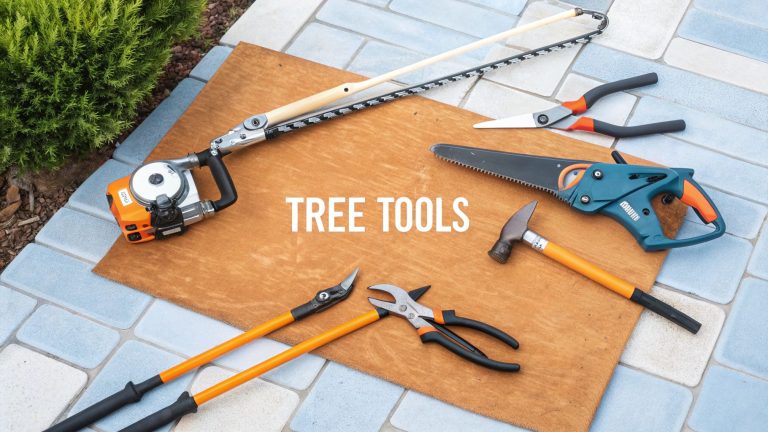
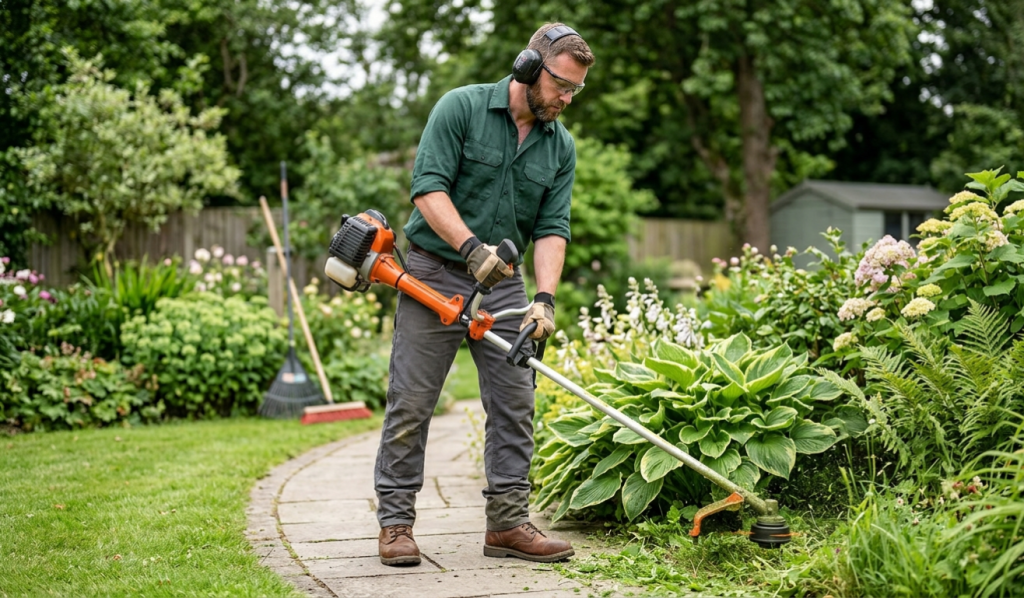
As outdoor tools become more advanced in 2026, understanding how to maintain your trimmer line gas machines is crucial for optimal performance. This guide offers expert advice on upkeep and choosing the right machine for your needs.While electric options are growing, gas remains the king of runtime and raw power for large-acreage tasks.
Understanding Trimmer Line Gas Machines in 2026
Trimmer line gas machines continue to be a favorite for landscapers and homeowners alike, thanks to their power, versatility, and efficiency. These machines utilize a gasoline engine to drive a spinning cutting head equipped with a nylon line, ideal for trimming grass, weeds, and small shrubs. In 2026, advancements in engine technology and ergonomic designs have made gas-powered trimmers more user-friendly, environmentally conscious, and durable.
Modern trimmer line gas machines feature lightweight materials, cleaner emissions, and increased fuel efficiency. The typical engine size ranges from 25cc to 35cc, providing sufficient power for most residential and commercial tasks. Additionally, many models now incorporate adjustable cutting heads, anti-vibration features, and easy-start mechanisms to enhance user experience.
Top Brands and Models to Consider in 2026
Choosing a reliable trimmer line gas machine starts with selecting a reputable brand known for quality and innovation. In 2026, the top brands include:
- ECHO: Known for durability and powerful engines, ECHO’s SRM-series offers excellent performance for heavy-duty landscaping.
- Stihl: Combining ergonomic design with advanced technology, Stihl’s FS series is a favorite among professional landscapers.
- Honda: Renowned for reliable engines, Honda’s gas trimmers are lightweight, fuel-efficient, and easy to maintain.
- Ryobi: Offering affordable yet robust options, Ryobi models are perfect for homeowners seeking dependable equipment.
Popular models in 2026 include the ECHO SRM-2620T, Stihl FS 91 R, Honda UMK425, and Ryobi RY253SS. When choosing a model, consider your specific needs—whether residential or commercial—and review the latest user feedback to make an informed decision.
How to Select the Best Trimmer for Your Lawn Care Needs
Evaluate Your Lawn Size and Terrain
If you have a small yard with flat terrain, a lightweight homeowner model like the Ryobi RY253SS may suffice. For larger properties with uneven terrain or dense vegetation, opting for a professional-grade model like the Stihl FS 91 R or ECHO SRM-2620T provides increased power and durability.
Consider Ease of Use
Features such as padded grips, adjustable shafts, and Easy-Start systems can significantly reduce user fatigue. For example, Honda’s Easy-Start engines simplify starting procedures, saving time and effort.
Assess Power and Cutting Capacity
The engine size and blade diameter determine trimming capacity. Larger engines (around 30cc) and wider cutting heads (up to 18 inches) enable faster work on larger areas, while smaller engines are better suited for precise, detail-oriented trimming.
Understand Maintenance and Fuel Compatibility
Choose models compatible with readily available fuels and maintenance routines. In 2026, many trimmers utilize a 2-stroke engine requiring oil-fuel mix, while newer 4-stroke models are cleaner and easier to operate. Most 2-stroke engines in 2026 still utilize a 50:1 fuel-to-oil ratio. Always use a high-quality synthetic oil to protect the high-revving components of your trimmer.
Step-by-Step Maintenance Routine for Gas Trimmers
1. Regular Inspection
Before each use, check for loose screws, drive shafts or gear heads , and damaged lines. Inspect the trimmer head and handle for stability and comfort.
2. Cleaning the Air Filter
Remove and clean the air filter weekly to ensure optimal airflow. A clogged filter can reduce engine power and increase fuel consumption.
3. Fuel System Maintenance
Use fresh fuel and consider adding fuel stabilizer for storage periods. Regularly inspect the fuel tank for leaks and replace the fuel filter annually.
4. Spark Plug Checks
Remove and inspect the spark plug every 25 hours of operation. Clean or replace it to maintain smooth engine performance.
5. Chain and Line Replacement
Replace worn or broken trimmer lines promptly. For better efficiency, use high-quality nylon lines compatible with your machine. Adjust the trimmer line length according to manufacturer specifications.
6. Engine Lubrication
Ensure that oil levels are maintained, especially for 4-stroke models. Follow the manufacturer’s guidelines for oil type and change intervals.
Troubleshooting Common Issues in 2026
Even with proper maintenance, you may encounter problems. Here are common issues and solutions:
Engine Won’t Start
- Check the fuel level and quality; replace stale fuel.
- Inspect the spark plug for wear or fouling; replace if necessary.
- Ensure the choke is correctly positioned.
- Examine the air filter for clogs.
Loss of Power
- Clean the carburetor and fuel system components.
- Replace worn spark plug and air filter.
- Ensure the trimmer line is not jammed or excessively worn.
Vibrations or Unusual Noise
- Inspect for loose parts or damaged blades.
- Balance the trimmer head and replace any worn components.
Innovations in Trimmer Line Technology
In 2026, trimmer line technology has seen significant innovations aimed at enhancing cutting efficiency and durability. Some notable advancements include:
Many 2026 high-end models now include sensors that alert your smartphone when the air filter is 80% clogged or when the spark plug needs a gap check.
- High-Performance Nylon Lines: Blended formulations provide greater wear resistance, flexibility, and cut power.
- Eco-Friendly Lines: Biodegradable lines reduce environmental impact without sacrificing performance.
- Self-Sharpening Lines: New designs incorporate self-sharpening edges that maintain cutting effectiveness over time.
- Color-Coded Lines: Different colors indicate specific thicknesses or types for easy identification and task-specific use.
Pro Tips for Safe Operation and Storage
- Wear Proper Safety Gear: Always use goggles, gloves, and hearing protection during operation.
- Maintain a Stable Stance: Keep firm footing to avoid slips or falls, especially on uneven terrain.
- Operate in Clear Areas: Clear the work area of obstacles and bystanders.
- Turn Off and Cool Down: After use, turn off the machine and allow it to cool before storing.
- Proper Storage: Store in a dry, ventilated space away from children. Drain fuel if storing for extended periods to prevent leaks and fuel degradation.
By following these maintenance routines, selecting the right machine, and staying informed about the latest innovations in 2026, you’ll ensure your trimmer line gas machine remains reliable and efficient year after year.
Remember, a well-maintained trimmer not only makes lawn care easier but also extends the lifespan of your investment. Stay safe, stay sharp, and enjoy a beautifully manicured lawn this season!