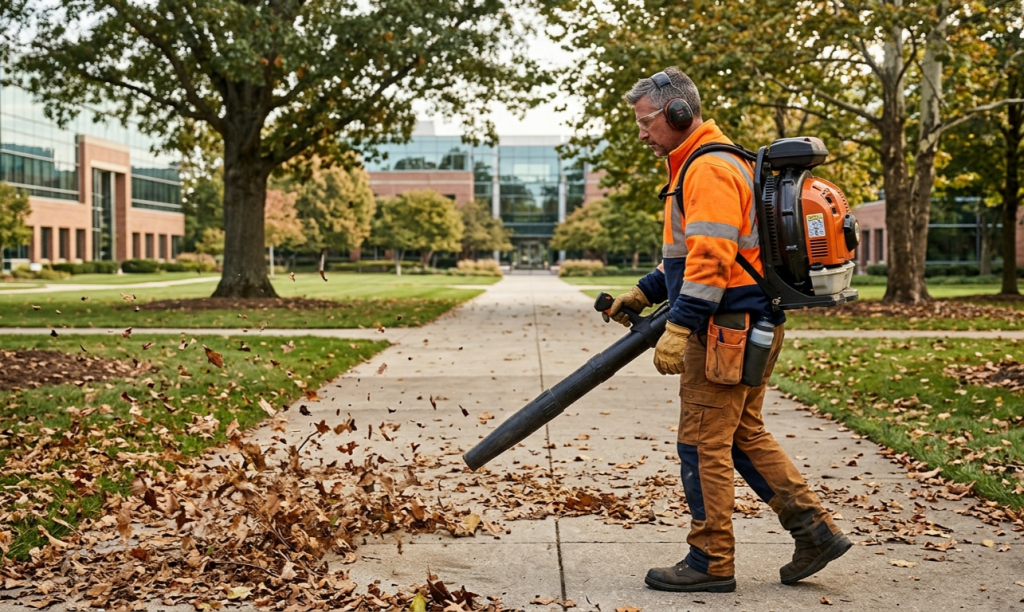
In 2026, the demand for versatile, efficient, and eco-friendly blowers continues to grow, driven by increasing landscaping needs and advancements in technology. With countless models on the market—from cordless handheld units to powerful commercial-grade backpack blowers—making an informed choice is crucial. This guide provides you with up-to-date insights, helping you select a blower that fits your specific requirements and budget while keeping up with the latest in blower innovation.
Understanding Different Types of Blowers in 2026
Before diving into features, it’s important to understand the main types of blowers available in 2026, each suited for different applications:
1. Handheld Blowers
Compact and lightweight, handheld blowers are ideal for small yards, patio cleaning, and light debris removal. They are easy to maneuver and typically powered by batteries or cords. In 2026, models like the EcoPower 3000 have gained popularity for their eco-friendliness and low noise levels.
2. Backpack Blowers
Designed for extended use and heavier-duty tasks, backpack blowers distribute weight evenly, reducing fatigue during long sessions. They offer higher air volume and velocity, making them suitable for larger properties or professional landscaping. Notable models such as the BreezePro 5000 feature advanced balancing and noise reduction technology.
3. Walk-Behind or Wheeled Blowers
These are the most powerful blowers, used primarily in commercial landscaping or municipal maintenance. They boast substantial airflow capacity and are capable of clearing large areas quickly. In 2026, new models incorporate ergonomic features and emission reductions aligned with global sustainability standards.
Key Features to Consider When Buying a Blower in 2026
Choosing a blower in 2026 involves evaluating several critical features to ensure you select a model that suits your needs:
1. Power Source
- Corded Electric: Reliable and consistent power, suitable for small to medium yards. In 2026, new models feature longer cords and improved safety features.
- Battery-Powered: Excellent portability with advancements in battery technology, like the EcoCore Lithium-X, offering longer run times and faster charging in 2026.
- Gasoline: Provide high power for large-scale tasks. Modern gasoline blowers in 2026 focus on reduced emissions and noise levels.
2. Air Volume and Velocity
Measured in CFM (Cubic Feet per Minute) and MPH (Miles Per Hour), respectively, these metrics determine the blower’s effectiveness. In 2026, environmentally conscious models deliver higher airflow with less noise, making yard cleanup more efficient and less disruptive.
3. Weight and Ergonomics
Long durations of use require lightweight and ergonomic designs. Innovations in 2026 include adjustable straps, vibration dampening, and user-friendly controls to reduce fatigue.
4. Noise Level
Lower decibel ratings are increasingly important, especially for residential use. In 2026, noise-reduction technologies have made many models whisper-quiet at around 65-70 dB.
5. Battery Life and Charging Time
For cordless models, long battery life and rapid charging are essential. The latest 2026 batteries can deliver up to 45 minutes of runtime and charge in under 30 minutes with fast-charging tech.
6. Sustainability and Emissions
Eco-friendly options dominate the market, with many models boasting zero emissions and compliance with the latest environmental standards set for 2026.
Top Trends in Blower Technology for 2026
Staying ahead in blower technology involves understanding current trends shaping the market in 2026:
1. Increased Battery Efficiency
Battery technology has advanced significantly, with lithium-ion batteries now offering longer life and faster charging, making cordless blowers more practical than ever.
2. Noise Reduction Innovations
New sound insulation and quieter motor designs have made blower operation less disruptive. Many models in 2026 are certified for noise levels below 70 dB, suitable for residential areas.
3. Smart Technology Integration
Smart features such as Bluetooth connectivity, app control, and customizable power settings are trending in 2026, providing users with greater control and monitoring of their equipment.
4. Eco-Friendly Materials and Emissions Standards
Designs prioritize sustainability, with many blowers manufactured from recycled materials and powered by clean energy sources, aligning with global climate goals.
5. Modular and Adaptive Designs
Blowers are now more customizable, with interchangeable nozzles and adjustable settings to handle different debris types and conditions, offering versatility in a single device.
How to Choose the Right Blower for Your Needs in 2026
Making the right choice involves assessing your specific needs and matching them with the features discussed above:
Assess Your Property Size and Debris Type
If you have a small yard with light debris, a handheld cordless blower like the EcoLight 1500 is sufficient. For larger properties with thick leaves or wet debris, a backpack or walk-behind blower, such as the TurboForce 6000, will offer the necessary power.
Consider Power and Runtime
Balance between power and convenience—battery-powered blowers have improved significantly in 2026, offering longer runtimes and high airflow. For quick cleanup, choose models with high CFM ratings and fast recharge capabilities.
Evaluate Budget vs. Features
While premium models include advanced features like smart controls and noise reduction, budget options still offer reliable performance for basic tasks. Determine your priorities to select a model that offers the best value.
Environmental Considerations
If sustainability is key, opt for electric or battery-powered blowers that produce zero emissions. Many 2026 models are designed to meet strict environmental standards without sacrificing performance.
Future-Proof Your Investment
Look for blowers with modular designs, upgradable batteries, and smart features to ensure your equipment remains effective and compatible with future technological developments in 2026.
Conclusion
Choosing the right blower in 2026 requires understanding the latest technology, features, and your specific needs. From eco-friendly cordless models to powerful backpack units, the 2026 market offers innovative solutions tailored for every user. By considering factors like power source, airflow, ergonomics, and environmental impact, you can make a smart investment that enhances your yard maintenance routine and aligns with modern sustainability goals. Stay informed with our guide to ensure you select the best blower for your property in 2026.