
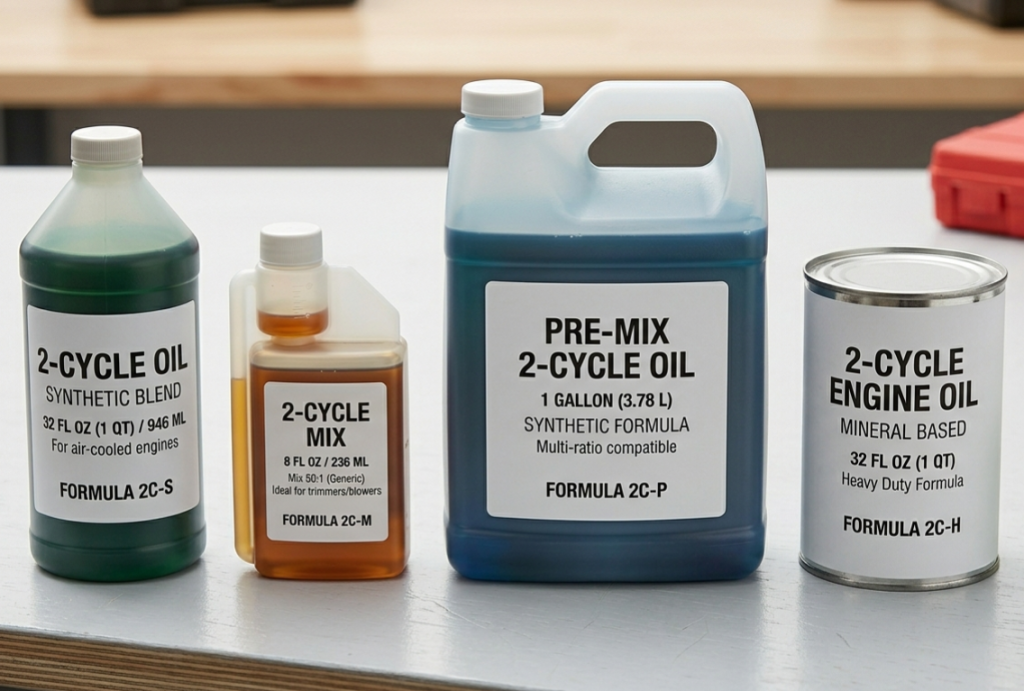
Top Factors to Consider When Buying 2 Cycle Oil in 2026
Type of 2 Cycle Oil
- In 2026, 2 cycle oils come mainly in two types: synthetic and synthetic-blend oils. Synthetic oils are formulated for superior engine protection, cleaner burning, and better lubrication, especially under high-performance or extreme conditions. Blends combine synthetic and mineral oils, offering a balance of quality and affordability. Choose synthetic for modern high-performance engines or when maximum protection is needed, whereas blends might suffice for casual use.
Lubrication Standards and Certifications
- Look for oils that meet current standards such as API (American Petroleum Institute) certification or ISO classifications. These certifications indicate the oil has passed rigorous testing for performance and safety. In 2026, fuels and oils moving towards lower emissions require that your oil complies with the latest standards to ensure eco-friendliness and engine efficiency.
Compatibility with Equipment
- Always check your equipment’s manufacturer specifications. Some engines are designed for specific oil types or formulations. Using incompatible oils can cause poor engine performance or damage, which could invalidate warranties. Modern 2 cycle oils are formulated to be compatible with a wide range of equipment, but verifying compatibility remains essential.
Oil Additives and Specialty Features
- Many 2 cycle oils now include additives such as anti-wear agents, detergents, or anti-foaming agents to improve performance. In 2026, some oils also feature bio-based additives that help decay residue and sludge, further protecting your engine. Consider these features if you operate your equipment intensively or in challenging conditions.
Price and Value
- While premium oils cost more, they often offer better engine protection and longer-lasting performance, reducing overall maintenance costs. In 2026, the market offers a variety of pricing options, from economical bulk purchases to specialty formulas. Balance your budget with the quality needed for your equipment to ensure cost-effective operation.
Brand Reputation and Reviews
- Choose reputable brands that have a proven track record for quality and consistency. In 2026, brands like Stihl, Echo, and Husqvarna continue to lead, but emerging eco-friendly brands with innovative formulations are gaining popularity. Reading customer reviews and expert opinions can provide insight into real-world performance and reliability.
Availability and Convenience
- In 2026, the best 2 cycle oils should be readily available at local stores or online. The ease of purchase, shipping options, and availability of different package sizes can influence your decision. Continuous supply ensures you won’t run out during crucial projects.
Environmental Impact and Sustainability
- With increased environmental awareness, many users prefer bio-based or eco-friendly 2 cycle oils that reduce emissions and are biodegradable. The 2026 market is seeing a shift toward sustainable oils that meet strict environmental standards, helping reduce your carbon footprint while maintaining high engine performance.
Storage and Shelf Life
- Proper storage prolongs oil shelf life and ensures performance. In 2026, oils come with improved stability, but always store in cool, dry places away from direct sunlight. Check the manufacturer’s recommendations for shelf life, which typically ranges from 2 to 5 years.
Customer Support and Warranty
- Opt for brands that offer reliable customer support, technical advice, and warranty options. In 2026, companies often include guarantees for their oils’ performance, providing peace of mind for users concerned about quality or compatibility issues.
Understanding Different Types of 2 Cycle Oil
2 cycle oils vary primarily based on formulation and intended use. Here are the main types:
Synthetic 2 Cycle Oil
Engineered for high performance, synthetic oils burn cleaner, offer better lubrication, and function well in extreme conditions. They are ideal for professional equipment, racing engines, or heavy-duty tasks. For example, a professional landscaper in 2026 would prefer synthetic for their chainsaws and trimmers due to increased longevity and reduced emissions.
Mineral or Conventional 2 Cycle Oil
Less expensive but also lower performing, mineral oils are suitable for casual or older equipment not demanding high-performance lubrication. They are less common in 2026 but still serve budget-conscious users.
Synthetic-Blend 2 Cycle Oil
This middle ground offers some benefits of synthetic oils at a more affordable price point, making it suitable for most recreational and some professional applications.
Key Features and Standards for 2 Cycle Oil in 2026
Staying updated with standards ensures you buy an oil that meets current demands:
- API Certification: In 2026, look for oils rated API TC or newer standards focusing on low-emission performance.
- Biodegradability: As environmental laws tighten, biodegradable oils are increasingly common and favored.
- Low-ash formulations: Reduce carbon buildup, extending engine life.
Price, Brands, and Availability in 2026
The 2026 market for 2 cycle oils offers a diverse pricing spectrum, from economical bulk options to premium formulations. Leading brands like Stihl, Echo, Husqvarna, and new eco-conscious startups dominate the shelves. Availability has improved significantly, with most oils easily bought online or at local hardware stores. Stocking up in bulk can save money, especially for those operating multiple machines regularly.
Environmental Considerations for 2 Cycle Oil in 2026
Environmental awareness remains a key factor in 2026. Eco-friendly 2 cycle oils are formulated to produce fewer emissions and are biodegradable. These oils help reduce the impact of small engines on air and water quality. They are especially important for outdoor use near sensitive ecosystems or urban areas concerned about pollution.
Expert Tips for Selecting the Best 2 Cycle Oil
To make an informed choice, follow these expert tips:
- Always verify your equipment’s manual for the recommended oil type and standards.
- Choose oils certified to current industry standards to ensure performance and environmental compliance.
- Opt for synthetic or synthetic-blend oils if operating in demanding conditions.
- Prioritize eco-friendly and biodegradable options when available.
- Buy from reputable brands with proven performance history.
- Consider buying in bulk to reduce costs and ensure a steady supply.
- Store oils properly in cool, dry places to extend shelf life.
- Stay updated with changing regulations to remain compliant and environmentally conscious.
Conclusion
Choosing the right 2 cycle oil in 2026 is crucial for optimizing engine performance, extending equipment lifespan, and minimizing environmental impact. By considering the factors outlined—such as oil type, standards, compatibility, and sustainability—you can make confident purchasing decisions. Whether you’re a professionist working year-round or a hobbyist maintaining occasional tools, the right 2 cycle oil ensures your equipment runs efficiently and responsibly in today’s evolving landscape.