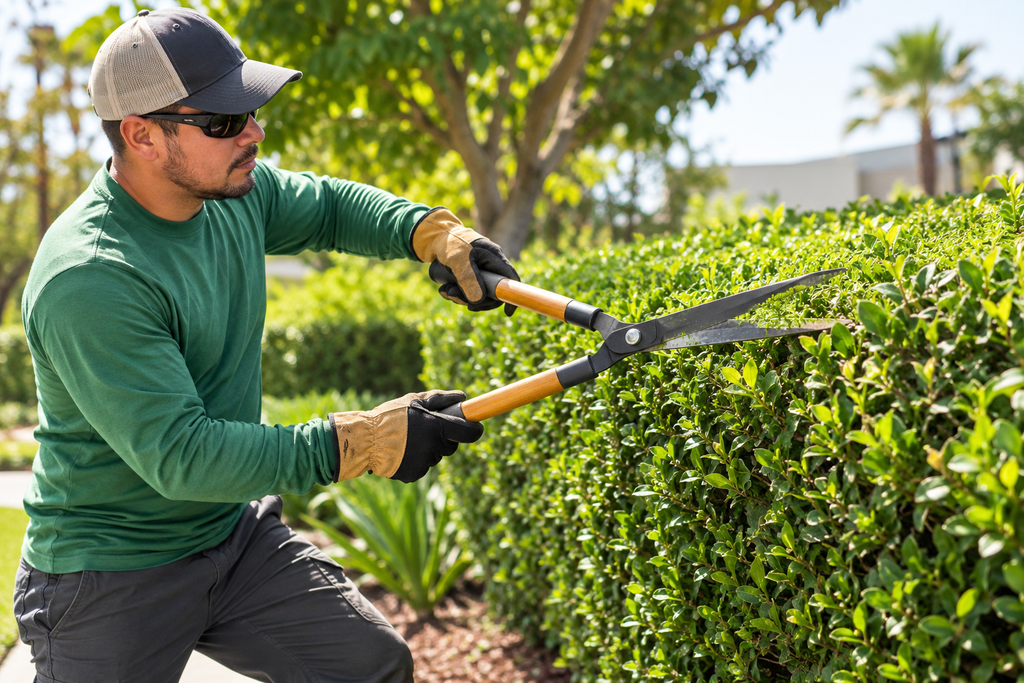
For commercial landscapers, keeping hedges neat and well-maintained is an important part of creating a professional-looking property. As the growing season begins to slow down, it can be a good time to give hedges one final shaping before many plants enter a period of reduced growth or dormancy.
Using the right hedge trimmers or hedge shears can make this final maintenance job easier, cleaner, and more efficient.
Why Give Hedges a Final Trim?
Hedges can continue producing uneven growth throughout the season. A final trim helps maintain their shape and gives commercial properties a clean, well-maintained appearance going into the cooler months.
For landscapers managing commercial properties, this final pass can be especially useful around:
- Office buildings
- Apartment and condominium communities
- Retail centers
- Parks and public spaces
- HOAs
- Schools and institutional properties
A cleanly shaped hedge can make a significant difference in the overall appearance of a landscape.
Choosing the Right Hedge Trimmer
Not every hedge requires the same type of tool. Commercial gardeners commonly use both manual hedge shears and powered hedge trimmers depending on the size of the job.
Manual Hedge Shears
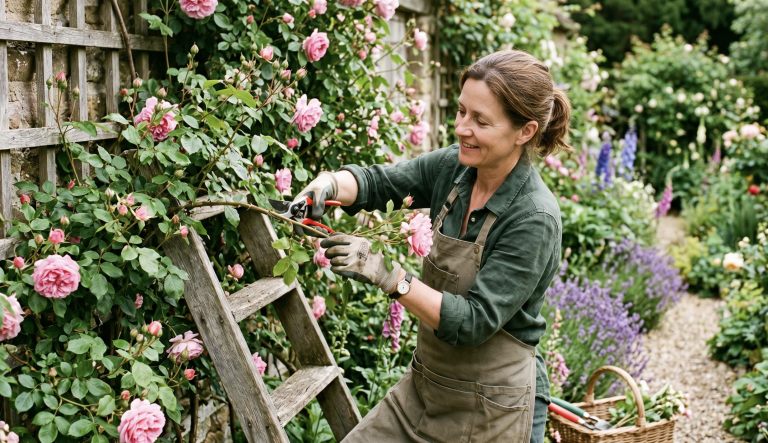
Traditional hedge shears are useful when precision is important. They allow the landscaper to control each cut and are especially helpful for smaller hedges, detail work, and finishing touches.
Manual shears are also useful when working around areas where powered equipment may be inconvenient.
Powered Hedge Trimmers
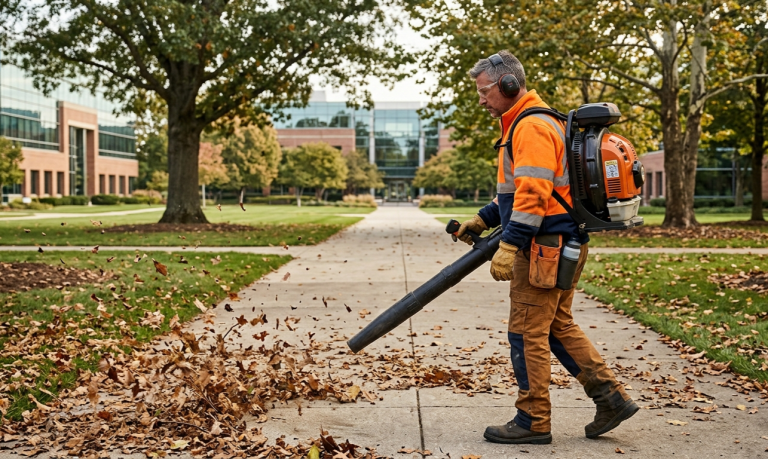
For large commercial properties with extensive hedge lines, powered hedge trimmers can help reduce the time and physical effort required to complete the job.
They are particularly useful for maintaining long rows of shrubs and larger hedges where many cuts are needed.
Tips for the Final Hedge Trim
Before starting, inspect the hedge and determine how much shaping is actually needed. Avoid removing excessive growth simply to make the hedge extremely short.
Keep these tips in mind:
- Check the hedge before cutting – Look for dead branches, damaged growth, or areas that need additional attention.
- Maintain the natural shape – Avoid cutting too aggressively, especially if the plant is approaching a slower-growth period.
- Work evenly – Keep the top and sides consistent for a professional appearance.
- Use sharp, clean blades – Sharp cutting edges produce cleaner cuts and make the job easier.
- Wear appropriate safety equipment – Gloves, eye protection, hearing protection when needed, and proper work clothing can help protect landscapers during trimming.
- Clean the equipment after use – Remove plant debris and inspect the blades before storing the tool.
Why Tool Maintenance Matters
Commercial landscaping equipment can see heavy use throughout the season. Before putting hedge shears or trimmers away after the final trimming job, take a few minutes to clean and inspect them.
Check the blades for damage, remove debris, and follow the manufacturer’s recommendations for lubrication and storage. Proper maintenance can help keep landscaping tools ready for the next season.
A Professional Finish for Commercial Landscapes
The final hedge trim is more than just cutting back overgrown branches. It is an opportunity for commercial landscapers to leave a property looking clean, organized, and professionally maintained as the season changes.
Whether you’re using traditional hedge shears or powered hedge trimmers, having the right equipment and using proper trimming techniques can make seasonal landscape maintenance more efficient.
At EverGrow Landscape Supply, we understand the demands of commercial landscaping and the importance of having dependable tools available for everyday landscape maintenance. From hedge trimming to pruning and general landscape work, choosing the right equipment can help crews get the job done efficiently and professionally.