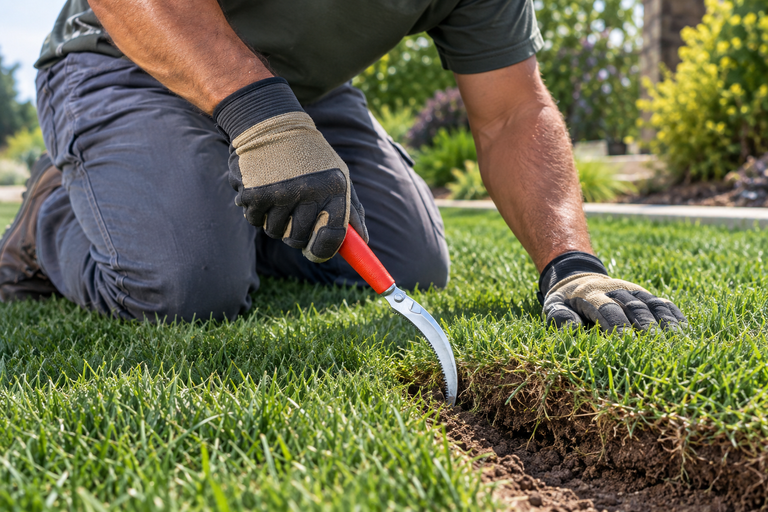
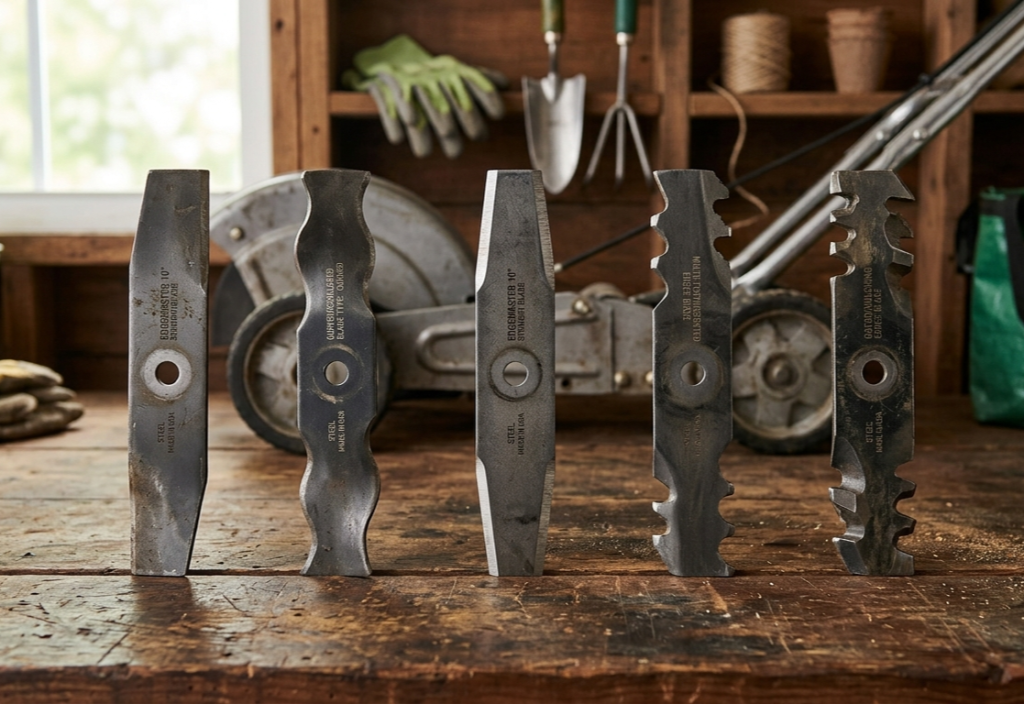
In 2026, maintaining a pristine lawn continues to be a priority for homeowners and professional landscapers alike. A vital component in achieving a clean, sharp edge along sidewalks, flower beds, and driveways is the right edger blade. Edger blades are designed to cut through grass and soil with precision, providing that polished look that enhances your yard’s overall aesthetic. As technology advances, so do the options for edger blades, making it essential to understand the latest features and trends to make an informed purchase.
Understanding Different Types of Edger Blades
Edger blades come in various types, each tailored for specific needs and equipment compatibility. Choosing the right type depends on your lawn’s terrain, the type of edging you prefer, and the machinery you own. Here’s a rundown of the most common types:
1. Straight Edger Blades
These are the most traditional blades, typically straight and flat, ideal for creating clean, precise edges along sidewalks and driveways. They are suitable for soft to medium-density grass and soil and work well with most gas-powered edgers.
2. Star Edger Blades
Designed with a slightly curved cutting edge, shaved blades excel at trimming around tight corners and intricate landscape features. They often provide smoother cuts and are preferred for detailed work.
3. Serrated Edger Blades
Serrated blades feature a toothed edge resembling a saw. They are highly effective for cutting through tough grass, dense roots, and even small roots in rocky or clay soil. These blades are ideal for more rugged or overgrown lawns.
4. Replacement and Carbide-Tipped Blades
Some edger blades are designed as replacements for worn-out blades or feature carbide tips for enhanced durability. Carbide-tipped blades are especially good for heavy-duty use or challenging terrain, lasting significantly longer than standard steel blades.
Factors to Consider Before Buying Edger Blades
Choosing the right edger blades involves evaluating several essential factors to ensure you get the best performance and value. Consider the following:
1. Compatibility with Your Equipment
First and foremost, verify that the blade fits your edger model. Different brands and models have specific mounting systems and blade sizes, so always check manufacturer specifications before purchasing.
2. Blade Material and Durability
Blades are commonly made from high-quality steel, with some featuring carbide tips. Steel blades are budget-friendly and suitable for lighter jobs, while carbide-tipped blades offer extended lifespan and toughness for rigorous tasks.
3. Cutting Width and Thickness
The width of the blade affects the speed and efficiency of edging. Wider blades cover more ground but may be less precise for intricate landscaping. Thicker blades are more durable but may require more power to operate.
4. Terrain and Grass Density
If your lawn has tough, overgrown, or rocky soil, opt for serrated or carbide-tipped blades. For soft soil and regular grass, standard straight blades are sufficient.
5. Blade Shape and Design
Consider the shape (straight vs. curved) and design features like tooth count or edge sharpness. This impacts ease of use, precision, and suitability for specific edging tasks.
Top Trends in Edger Blade Technology for 2026
Staying current with trends can help you make a future-proof investment. In 2026, notable trends include:
1. Advanced Materials for Longer Lifespan
Manufacturers are increasingly using high-tech alloys and carbide coatings to enhance blade longevity, reducing replacements and maintenance costs.
2. Precision Laser-Cutting
Lasers enable extremely precise manufacturing, resulting in blades with smoother edges and better performance. Laser-cut blades also tend to produce cleaner cuts with less soil disturbance.
3. Eco-Friendly and Low-Emission Blades
With growing environmental awareness, some companies now produce blades that require less power to operate and generate fewer emissions, aligning with sustainable landscaping practices.
4. Multi-Functional Blades
Innovation has led to blades that can handle multiple tasks, such as edging and trimming, with interchangeable parts or adjustable configurations, offering greater versatility.
How to Choose the Right Edger Blade for Your Lawn
Identifying your specific needs requires assessing your lawn’s characteristics and your edging goals. Here’s a step-by-step guide:
- Assess Your Terrain: Overgrown or rocky areas demand more robust blades like serrated or carbide-tipped options.
- Evaluate Your Equipment: Confirm the blade’s compatibility with your edger model, considering size and mounting features.
- Define Your Edging Style: For crisp, straight lines, straight blades are ideal. For detailed or curved edging, sculpted or shaved blades work better.
- Determine Frequency of Use: If you maintain your lawn regularly, a standard steel blade might suffice. For infrequent but heavy-duty tasks, investing in a carbide-tipped or reinforced blade makes sense.
- Set a Budget: Balance the cost of high-end, durable blades with your maintenance needs. Investing in quality blades can save money over time by reducing replacements.
Maintenance Tips for Edger Blades
Proper maintenance ensures your edger blades remain sharp and functional for longer, providing clean cuts and reducing strain on your equipment:
- Regular Cleaning: After each use, remove dirt, grass, and debris with a wire brush or cloth to prevent corrosion and buildup.
- Sharpen the Blades: Keep blades sharp with a sharpening stone or file. Sharp blades reduce effort and produce cleaner edges. Do this every 10-15 hours of use, or as needed.
- Replace When Worn: Replace blades when they become chipped, bent, or significantly dull to avoid uneven cuts and damage to your edger.
- Store Properly: Store blades in a dry, protected area to prevent rust and corrosion.
- Use Safely: Always disconnect the power source before sharpening or replacing blades, and wear protective gloves.
Frequently Asked Questions About Edger Blades
1. How often should I replace my edger blades in 2026?
The lifespan of an edger blade varies based on usage and material, but generally, blades should be replaced every 20-50 hours of use, or when they show signs of dullness, chipping, or bending.
2. Can I use a different type of blade than the one originally provided with my edger?
Yes, as long as the replacement blade is compatible with your edger’s model and specifications. Consult your manufacturer’s guidelines to avoid damaging your equipment.
3. What is the best way to sharpen my edger blades?
Use a sharpening stone, file, or a specialized blade grinder. Always follow safety precautions, and maintain the original angle of the blade’s edge for optimal sharpness.
4. Are carbide-tipped blades worth the investment?
Absolutely. Although initially more expensive, carbide-tipped blades last significantly longer and can handle tougher terrain, making them a cost-effective option over time.
5. How can I prevent my blades from rusting?
Keep blades clean and dry after use, apply a light coat of oil prior to storage, and store them in a dry, sheltered location.
Conclusion
Choosing the right edger blades in 2026 is crucial for maintaining a neat, professional-looking lawn. By understanding the different types, considering key factors, staying abreast of technological trends, and caring for your blades properly, you can ensure optimal performance and longevity. Whether you’re a homeowner striving for perfect edges or a landscaping professional, our edger blades buying guide provides all the insights you need to make the right decision and elevate your lawn care game this year and beyond.