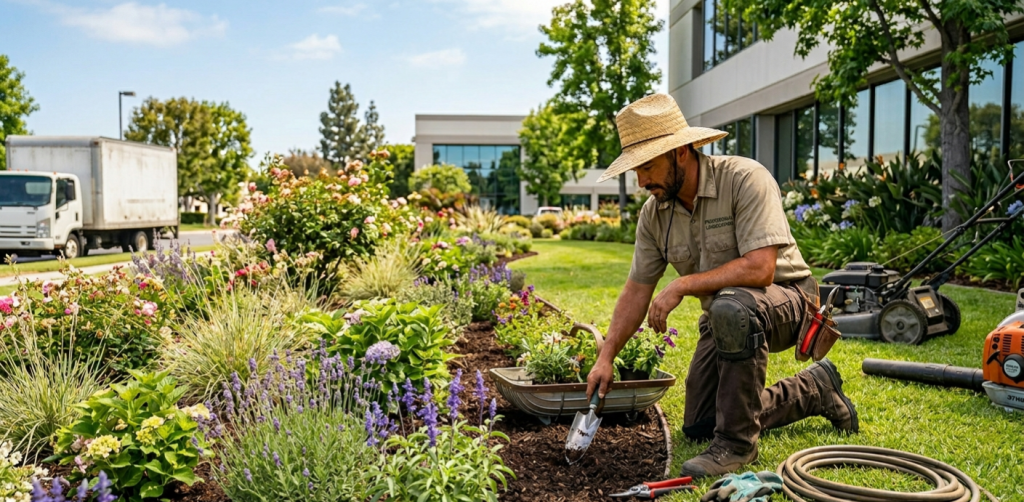
With summer just around the corner in 2026, now is the perfect time to optimize your commercial landscape for the warmer months. This ultimate guide provides actionable insights to keep your outdoor spaces thriving and visually appealing throughout the season. Discover how to implement proactive maintenance techniques that make your landscape the envy of your industry.
Understanding the Importance of Summer-Ready Commercial Landscapes in 2026
In 2026, a well-maintained commercial landscape is more than just curb appeal; it directly impacts your business’s reputation, employee productivity, and customer perception. A lush, vibrant outdoor space can attract foot traffic, boost brand visibility, and create a welcoming environment for clients and staff alike. Additionally, preparing your landscape for summer ensures resilience against heat stress, drought conditions, and increased foot traffic.
Statistics show that in 2026, 78% of consumers are more likely to visit businesses that have attractive and well-kept outdoor spaces. This underscores the importance of investing in summer-ready landscapes that remain pristine and inviting through the season.
Key Trends in Commercial Landscape Gardening for Summer 2026
1. Drought-Resistant and Native Planting
With climate shifts continuing in 2026, drought-resistant plants and native species are gaining popularity. These plants require less water, fertilizers, and maintenance, making them sustainable choices that thrive in summer heat. Examples include succulents, ornamental grasses like switchgrass, and native perennials such as black-eyed Susans.
2. Smart Irrigation Systems
Technology-driven irrigation, including smart sensors and automated drip systems, allows precise water delivery, reducing waste and ensuring plants receive adequate moisture during hot months. In 2026, 65% of commercial properties have adopted smart watering solutions for better landscape health and sustainability.
3. Focus on Sustainability and Eco-Friendly Practices
Sustainable landscaping practices, such as composting, rainwater harvesting, and using organic fertilizers, are essential in 2026. They not only decrease environmental impact but also improve plant resilience during summer droughts.
4. Incorporation of Outdoor Seating and Functional Spaces
Designing landscapes that include outdoor seating, shaded areas, and gathering spaces is increasingly important for businesses seeking to enhance customer experience and promote outdoor activities in the summer months.
Step-by-Step Guide to Summer Preparation for Your Commercial Landscape
- Assess Your Current Landscape
- Begin with a thorough evaluation of existing plants, irrigation systems, and landscape design. Identify areas prone to heat stress, overgrowth, or drainage issues.
- Conduct Soil Testing
- Perform soil tests to determine nutrient levels and pH balance. Adjust soil amendments and fertilization schedules accordingly to promote healthy growth during summer.
- Plan Your Planting Schedule
- Choose heat-tolerant, low-maintenance plants suited for the 2026 climate. Plan planting dates to ensure establishment before the peak summer heat.
- Upgrade Irrigation and Water Management
- Install or update smart irrigation systems to optimize water efficiency. Schedule watering early morning or late evening to minimize evaporation.
- Implement Mulching Techniques
- Apply organic mulch around plants to retain moisture, regulate soil temperature, and suppress weeds.
- Address Drainage and Soil Health
- Improve drainage and aeration where necessary to prevent waterlogging and root rot during rainy periods or irrigation overuse.
- Enhance Landscape Design with Summer Elements
- Add shading structures like pergolas or umbrellas, incorporate vibrant summer blooms, and create inviting outdoor spaces for clients and employees.
Proactive Maintenance Techniques to Keep Your Landscape Thriving in 2026
- Regular Watering and Monitoring
- Adjust watering schedules based on weather forecasts and soil moisture levels. Use moisture sensors for precision.
- Fertilization and Soil Enrichment
- Apply slow-release fertilizers designed for summer growth; consider organic options to support sustainability.
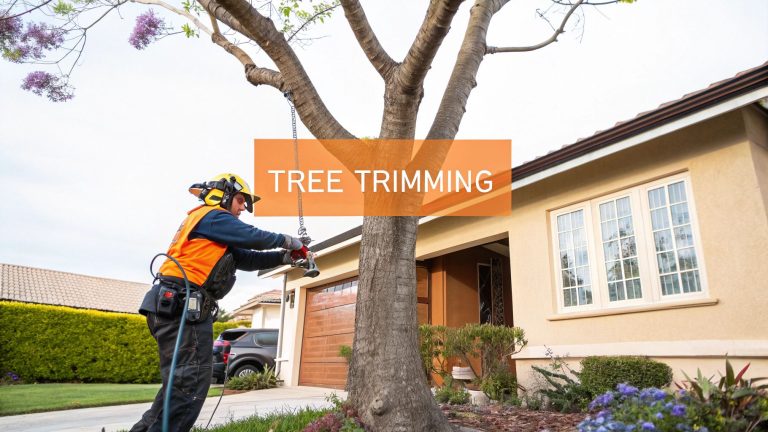
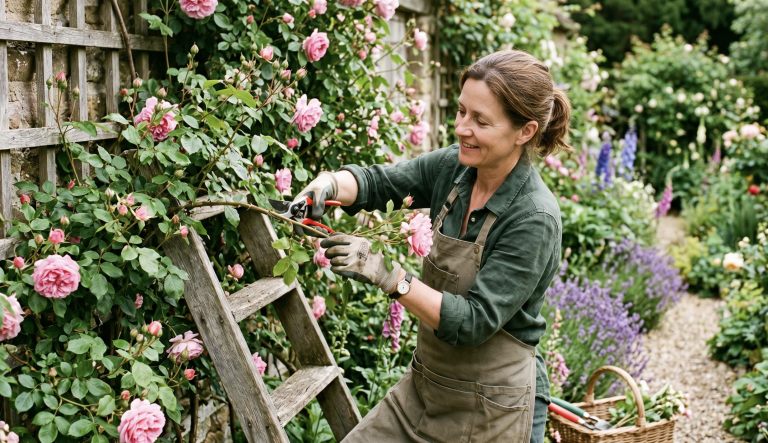
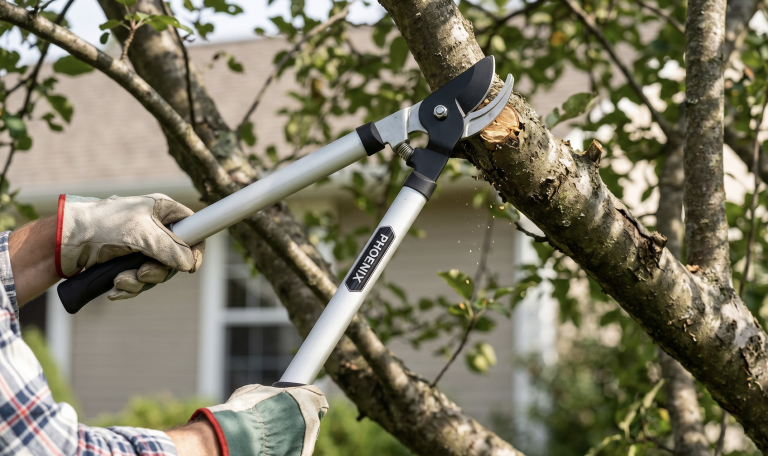
- Pruning and Deadheading
- Remove dead or diseased foliage to encourage healthy new growth and maintain a tidy appearance.
- Weed Control
- Implement proactive weed management to prevent competition for water and nutrients and to keep landscapes manicured.
- Pest and Disease Management
- Regular inspections to detect early signs of pests or diseases allow prompt treatment, reducing damage during stress periods.
- Seasonal Adjustments
- Modify landscape features as needed, such as adding shade-providing structures or modifying irrigation to adapt to changing weather patterns.
Seasonal Plant Selection and Care Tips for Summer 2026
Choosing the right plants is critical for a vibrant summer landscape. Prioritize drought-tolerant, heat-loving species like:
- Lavender (Lavandula)
- Sedum varieties
- Coreopsis
- ornamental grasses such as fountain grass (Pennisetum)
- Succulents like Agave and Aloe Vera
Provide these plants with adequate watering, avoid over-fertilizing, and prune to promote healthy branching. Regular deadheading enhances blooming, while mulching helps retain soil moisture.
Implementing Sustainable Practices in Your Summer Landscape Strategy
Sustainability is at the forefront in 2026. Adopt practices such as:
- Rainwater harvesting systems to reduce reliance on municipal water.
- Use of organic fertilizers and compost to enrich soil naturally.
- Plant native species to promote ecological balance and reduce maintenance.
- Incorporate permeable paving solutions to improve drainage and reduce runoff.
These strategies not only help the environment but can also reduce long-term costs and improve landscape resilience during summer extremes.
Common Challenges in Summer Landscaping and How to Address Them
1. Heat Stress and Drought
Mitigate by selecting hardy plants, applying mulch, and optimizing water use with smart irrigation. Temporary shading structures can also protect sensitive plants.
2. Overgrowth and Weed Infestation
Regular maintenance, mulching, and early weed removal prevent invasive species from taking hold and competing with desired plants.
3. Pest and Disease Outbreaks
Frequent inspections and integrated pest management practices ensure early detection and minimize damage. Opt for environmentally friendly solutions wherever possible.
4. Maintenance Costs
Utilize sustainable, low-maintenance plants and automation to reduce operational expenses without sacrificing landscape quality.
Conclusion
Preparing your commercial landscape for summer in 2026 requires a strategic approach rooted in sustainability, technological advancement, and proactive maintenance. By understanding current trends and implementing the step-by-step practices outlined in this guide, you can ensure your outdoor space remains vibrant, healthy, and welcoming all season long. Investing in summer-ready landscaping not only enhances curb appeal but also fosters a positive impression that can drive business success throughout 2026 and beyond.
Start planning today to make your commercial landscape the highlight of this summer season!