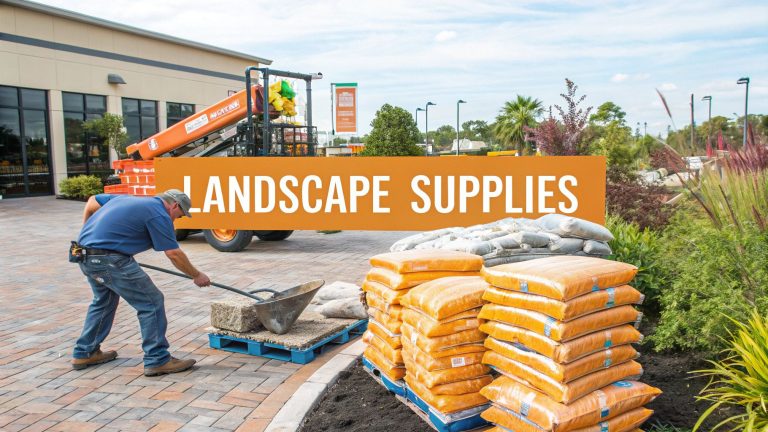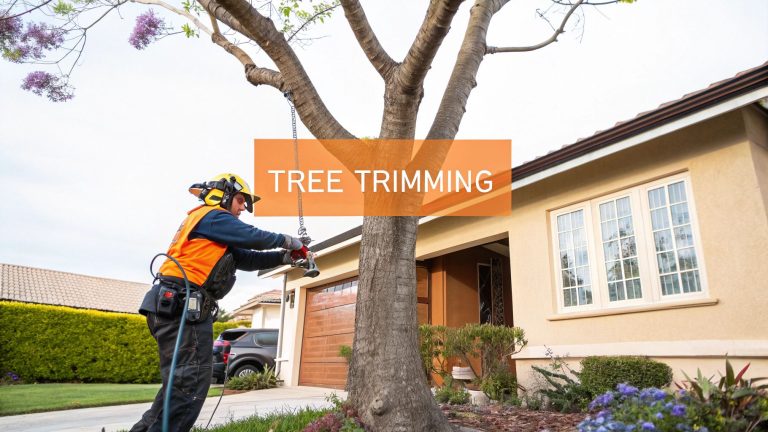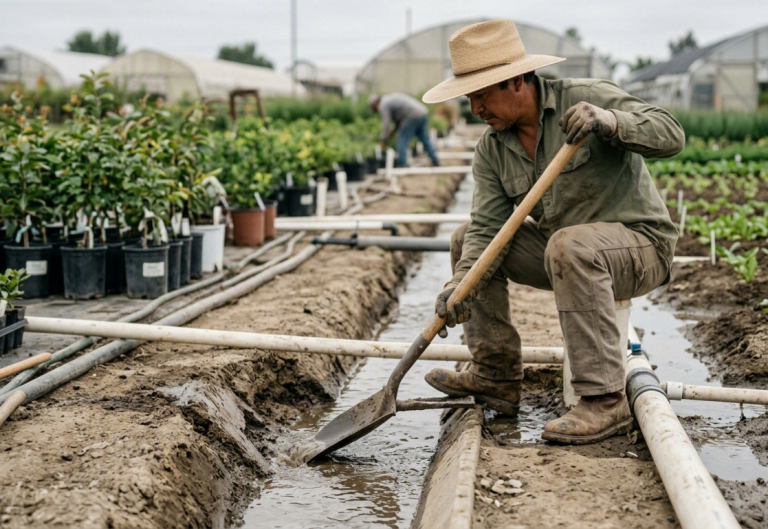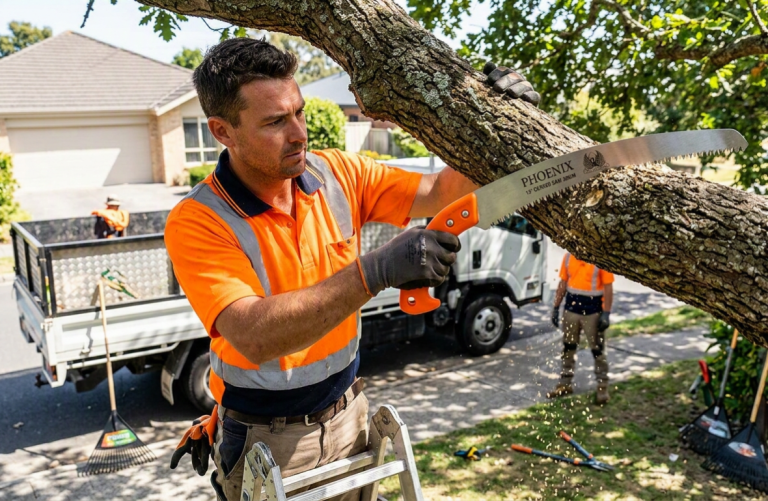
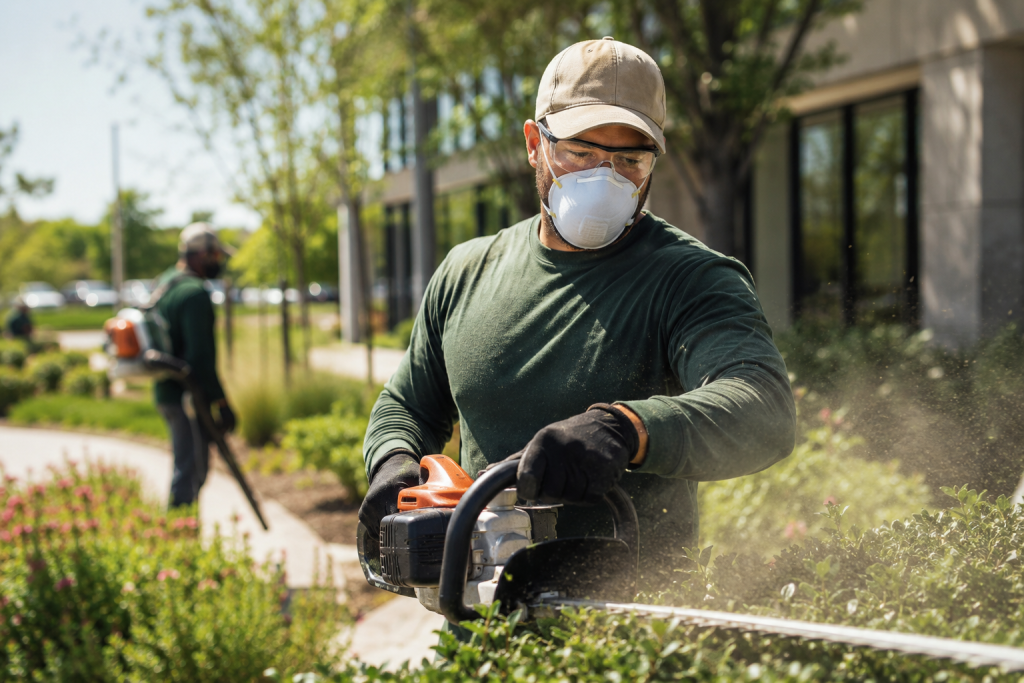
Commercial landscaping is demanding work. Crews spend long hours outdoors mowing, trimming, blowing, pruning, planting, and maintaining large properties. While productivity is important, protecting workers from airborne dust and particles should be just as important.
One simple piece of protective equipment that can make a difference during dusty landscaping jobs is a dust mask.
Why Dust Masks Matter for Commercial Landscaping
Landscaping can create significant amounts of airborne dust and debris. Mowing dry grass, using leaf blowers, edging, operating string trimmers, and working with soil can all put particles into the air.
Commercial landscaping crews may encounter:
- Dry soil and dirt
- Grass and plant particles
- Pollen
- Dust from walkways and parking areas
- Mulch and other landscaping materials
- Fine particles generated by outdoor equipment
- Debris stirred up by blowers and mowing equipment
A properly selected dust mask can help reduce a worker’s exposure to nuisance dust and certain airborne particles, depending on the type of mask being used.
Choosing the Right Dust Mask for Your Landscaping Crew
Not every mask provides the same level of protection. Commercial landscaping companies should select respiratory protection based on the specific hazards their employees may encounter.
For basic dusty tasks, a disposable particulate respirator may be appropriate when it is designed and approved for the conditions involved. For jobs involving additional airborne hazards, employers should evaluate the hazard and select appropriate respiratory protection.
When choosing masks for your crew, consider:
Comfort
Landscapers may wear respiratory protection for extended periods. A comfortable design can make it easier for employees to wear the equipment consistently.
Fit
A mask needs to fit properly to provide its intended protection. Facial hair, improper sizing, or an incorrect fit can interfere with the seal of certain respirators.
Breathability
Workers performing physically demanding outdoor jobs need respiratory protection that allows them to work comfortably without unnecessarily restricting breathing.
Job Conditions
Different landscaping tasks create different airborne hazards. Evaluate the work being performed rather than assuming one type of mask is suitable for every job.
When Should Landscapers Consider Wearing a Dust Mask?
Dust masks can be especially useful during particularly dusty operations.
For example, crews may want to consider respiratory protection when:
Mowing dry grass: Dry conditions can cause grass particles and dust to become airborne.
Using leaf blowers: Blowers can move large amounts of dust and debris, particularly around parking lots, sidewalks, and dry soil.
Working with soil: Digging, grading, planting, and other soil-related work can generate airborne dust.
Handling mulch or landscaping materials: Certain materials can create airborne particles during loading, spreading, and installation.
Working during dry or windy conditions: Wind can increase the amount of dust and debris in the air.
Dust Masks Are Only One Part of a Safety Program
Providing masks should not be the only step a landscaping company takes to control airborne hazards.
Whenever possible, companies should first look for ways to reduce dust at the source. Depending on the job, this could include using appropriate equipment, controlling work practices, maintaining machinery, and keeping workers away from unnecessary dust-generating activities.
Respiratory protection should be part of a broader workplace safety program when hazards cannot be adequately controlled through other methods.
Employers should also make sure employees understand how to properly use, inspect, maintain, and replace their respiratory protection.
Keep Your Landscaping Crew Protected
Commercial landscaping requires employees to work around dust, debris, vegetation, soil, and outdoor equipment every day. Having the right protective equipment available can help companies create a safer and more professional working environment.
If your landscaping company regularly performs dusty outdoor work, take the time to evaluate the conditions your crews face and determine what type of respiratory protection is appropriate for those tasks.
The right dust mask, combined with proper safety practices and hazard controls, can help your crew work more comfortably and safely throughout the landscaping season.
Protect Your Crew. Protect Your Business.
Whether you’re managing a small landscaping crew or a large commercial maintenance operation, respiratory protection should be considered whenever workers may be exposed to airborne particles.
Make employee safety part of every job—from the first property of the morning to the final cleanup of the day.