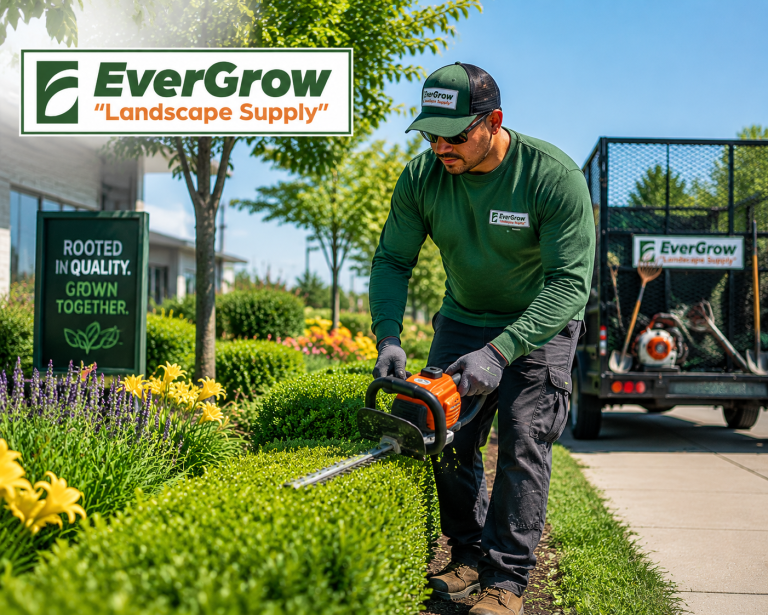

As the growing season comes to an end, professional landscapers have an important opportunity to prepare landscape beds for the winter months. Proper fall preparation helps protect plants, improve the appearance of commercial properties, and make spring maintenance more efficient.
For commercial landscapers, preparing landscape beds should be part of the seasonal maintenance routine—not something left until the first cold weather arrives.
Why Prepare Landscape Beds Before Winter?
Winter weather can bring cooler temperatures, heavy rain, wind, and periods of dry conditions. Unprepared landscape beds may develop excessive weeds, compacted soil, plant debris, and drainage problems.
Taking time to properly prepare beds can help:
- Reduce weed growth during the winter
- Remove unwanted plant debris
- Improve the appearance of commercial properties
- Protect plants and root systems
- Improve soil and mulch conditions
- Reduce spring cleanup time
- Maintain a clean, professional landscape appearance
1. Remove Leaves and Plant Debris
Begin by removing fallen leaves, dead annuals, branches, and other unwanted debris from landscape beds.
While some organic material can benefit the soil, excessive debris can create an unattractive appearance and may contribute to moisture-related problems. Commercial properties should receive particular attention because clean landscape beds contribute to a well-maintained overall appearance.
Use rakes, blowers, hand tools, and other appropriate cleanup equipment to efficiently clear the beds.
2. Remove Existing Weeds
Fall is an excellent time to inspect landscape beds for weeds.
Remove established weeds before winter and address areas where weeds are beginning to spread. Removing weeds now can help reduce the amount of unwanted growth that professional landscapers need to deal with when spring arrives.
When removing weeds by hand, make sure to remove as much of the root system as practical to reduce regrowth.
3. Inspect and Refresh the Soil
After cleaning the beds, inspect the soil condition.
Look for areas that have become compacted from foot traffic, equipment, weather, or irrigation. Compacted soil can affect water movement and root development.
Where appropriate for the landscape and plant material, lightly cultivate or loosen the soil without unnecessarily disturbing established roots.
4. Check Irrigation and Drainage
Winter preparation is also a good time to inspect irrigation systems and drainage.
Check for:
- Broken or clogged irrigation heads
- Leaking lines
- Areas receiving too much or too little water
- Standing water
- Poor drainage around plants
- Erosion or exposed roots
Correcting these problems before winter can help prevent larger landscape issues and make spring maintenance easier.
5. Refresh Mulch
A properly maintained layer of mulch can help insulate plant roots, conserve soil moisture, and give landscape beds a clean, finished appearance.
Before adding new mulch, remove excessive old material and correct areas where mulch has become uneven.
Spread mulch evenly around plants while avoiding piling it directly against tree trunks, shrubs, or plant stems. The goal is to protect the soil and roots without creating excessive moisture around the base of the plant.
6. Prune Where Appropriate
Fall pruning should be based on the specific plant species and the property’s landscape plan.
Remove dead, damaged, or diseased branches where appropriate, but avoid unnecessary pruning simply to make every plant look smaller or more uniform.
Professional landscapers should understand the pruning requirements of the plants they maintain and schedule major pruning according to the appropriate season for each species.
7. Inspect Landscape Bed Edges
Clean, defined bed edges can make a major difference in the appearance of a commercial property.
Inspect borders around:
- Sidewalks
- Buildings
- Parking areas
- Turf
- Driveways
- Planting areas
Redefining bed edges and removing grass or weeds that have migrated into planting areas can give the property a cleaner appearance going into winter.
8. Check Plants for Winter Protection Needs
Different plants have different winter requirements.
Before winter weather arrives, inspect landscape beds for plants that may require additional protection based on their species, location, and local conditions.
Pay particular attention to newly planted shrubs, young plants, and sensitive ornamental plants.
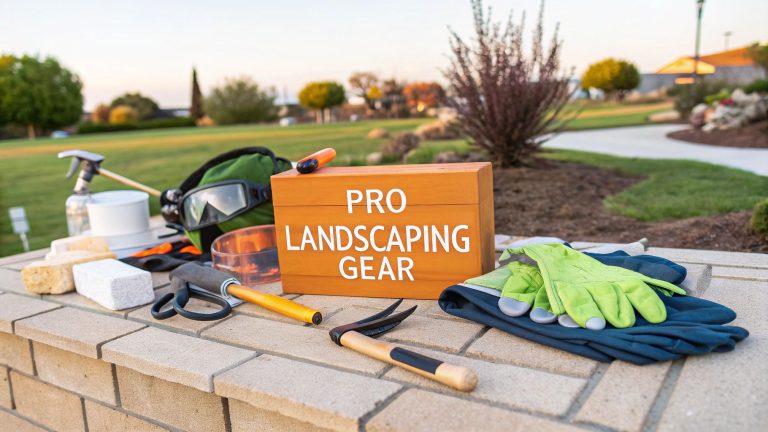
9. Stock Up on Essential Landscape Supplies
Winter preparation is easier when professional landscapers have the right tools and materials available.
Depending on the property, seasonal landscape-bed maintenance may require:
- Rakes
- Shovels
- Hand pruners
- Loppers
- Weeding tools
- Gloves
- Mulch
- Soil amendments
- Irrigation repair supplies
- Safety equipment
Having essential supplies ready helps crews work efficiently and avoid unnecessary delays during seasonal maintenance.
A Professional Winter Landscape Bed Checklist
Before completing the job, walk through each landscape bed and check:
☐ Leaves and debris removed
☐ Weeds removed
☐ Soil inspected
☐ Irrigation checked
☐ Drainage problems identified
☐ Mulch leveled or refreshed
☐ Appropriate pruning completed
☐ Bed edges cleaned and defined
☐ Plants inspected for winter protection needs
☐ Tools and supplies restocked
Prepare Now for a Better Spring
Winter landscape preparation is an important part of professional property maintenance. A thorough fall cleanup can help commercial landscape crews start the next growing season with cleaner beds, fewer maintenance problems, and a more organized landscape.
At EverGrow Landscape Supply, we provide landscape tools, supplies, safety equipment, and materials to help professional landscapers handle seasonal maintenance efficiently.
Whether you’re preparing a commercial property for winter or getting your equipment ready for the next season, make sure your crew has the supplies needed to get the job done.
Visit EverGrow Landscape Supply for the tools and landscape supplies you need for your next job.